There have been a lot of issues come up before city council and various city boards in the past six months. There have been some important decisions made, and many more to come. I’ll run down a few of them here and give my takes on them. Brevity is the goal here, so if you want to know more in-depth details, check out stories in The Republic, which covers all of this, or give me a shout.
The 2024 budget
Passed last month, the 2024 budget includes big raises for the city’s fire and police department personnel. We also managed to hold the city tax rate to the lowest its been in at least a decade. My take: Good for us. Our police and fire personnel were woefully underpaid, which was causing us to lose good people to other communities, leaving us with a revolving door of job openings. We were constantly having to train new recruits, and those who stayed were putting in lots of hours. We needed to do this. And we did it without raising the tax rate.
Repairs at Nexus Park
The Sept. 19 city council meeting brought with it an additional $3 million request to “finish” Nexus Park. A seismic study revealed that more steel was needed for the fieldhouse, to the tune of $500,000. The need for special surfaces in the fieldhouse increased the cost $300,000. Furniture and fixtures (goals, nets, scoreboards, bleachers, etc.) came to $1 million. Roofing issues that popped up when work was started brought with it a $1 million request. The total request included an extra $200,000. Any unused funds will be returned. My take: This was a split vote, with two council members voting not to provide the funding, though I see those nays more as a sign of frustration with the rising cost of the entire Nexus Park project, some of which came as a surprise. At least one yes vote came with the comment that he wasn’t thrilled to be getting a bill of this amount at this time. I fell into that crowd; I would have voted for the funding because this thing needs to be completed the proper way, which means it needs a good, solid roof and enough steel to be safe, for example. But at the same time, we need to get a better handle on the overall costs ahead of time. Note to self: ask for this information the next four years.
Second Street improvement
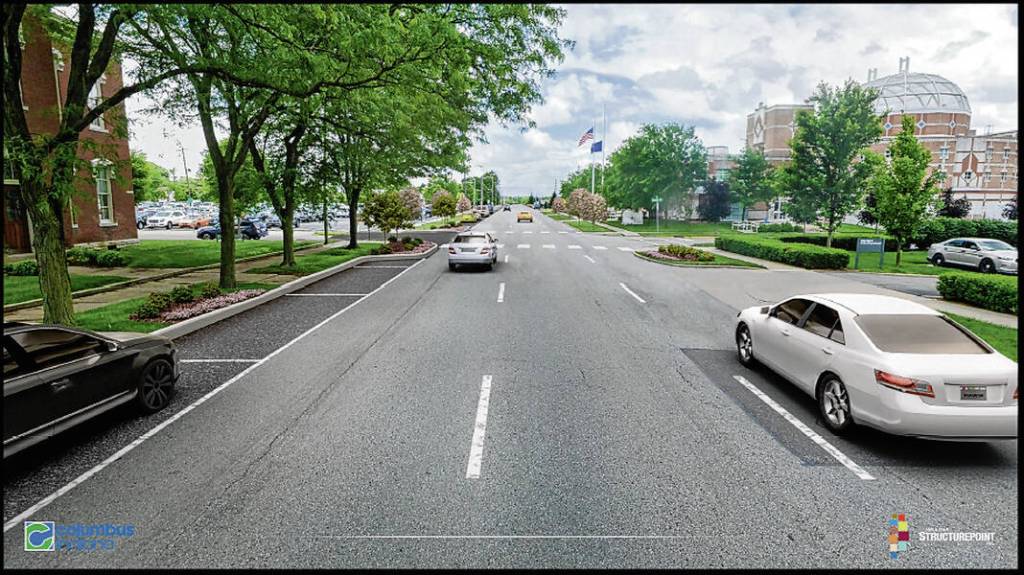
Cars go flying down Second Street between Jackson and Central. It’s hazardous. The former two-way street has three wide lanes heading east now. There’s a proposal to cut down the width of the lanes to “normal,” leaving one wider on the right for trucks, and add parking. My take: The $1.2 million it’ll take to complete this task is worth it as it will greatly improve safety past such structures as the county courthouse, city hall, the jail, the Taylor, and more. As the city looks at how else to develop the Second Street corridor, the need to reduce speed becomes all that much more vital.
Solar
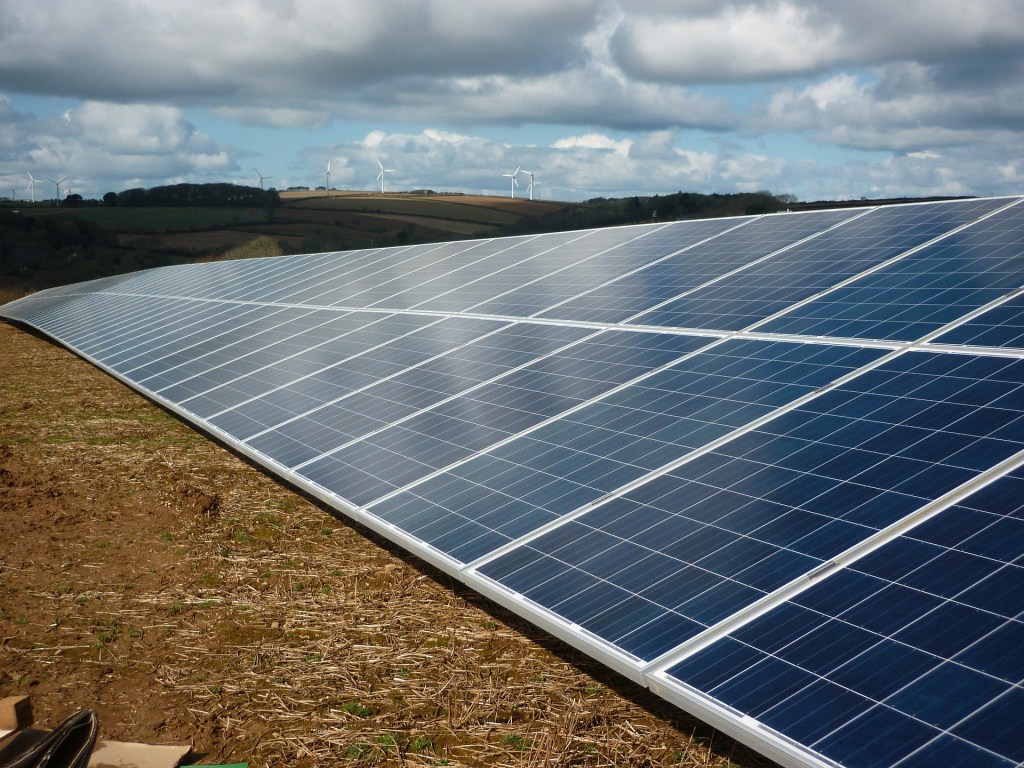
This still has a second read to go, so if you’ve got nothing to do the day after Election Day, head to City Hall and see what happens. As it stands now, and as I see it going later this week, Columbus is saying no to all large-scale solar facilities within its jurisdiction. The reasoning is mostly due to the fact that any commercial solar energy system comes with a 30-year deal, and if the city needs to expand, its options will be limited for that amount of time. My take: I don’t like the fact that a farmer within the city jurisdiction (roughly a two-mile radius around the city limits) will have no option use his or her land to create energy for others’ use. There’s no waiver process, so even if all he neighbors were to sign off on it, it’s still a no go. However, it looks like the city is going to annex land on the west side for the new Columbus Regional Hospital. If there were large-scale solar facilities on that land, it would be impossible to do so. Similarly, I see where the city could grow in other places. So as much as I hate to take away an option for landowners, this seems to be the best course of action in this zone. Landowners will still be able to install solar panels on their own property to generate energy for their own use, and there is land within the city limits where a CSES might work, such as the airport.
Riverfront
The riverfront between the Second and Third Street bridges needs attention. We have safety issues related to the deteriorating low-head dam in the East Fork White River. We are facing erosion on both banks, including on the west side of the river near the Third Street bridge, which was the site of a landfill from 1938 to 1966, and there’s supposedly bad, nasty stuff in it. City officials also have proposed building overlooks of the river, connections with the People Trail system and an in-water recreation area. The cost for the project has risen from estimates in the high $8 million range to roughly $14 million now. My take: Health and safety first. Without those, it doesn’t matter what else we provide our citizens. We have to take care of the erosion and the failing dam. That’s paramount. If we have enough money left over for People Trail connections and other things without strapping the city, fine. I’m not sure about that right now with such projects as Nexus Park and the Taylor getting big dollars from the city lately and a desire to help solve the affordable housing crisis and homelessness situation. I want to delve into the details further, check more into income that’s projected to come through Nexus Park and set priorities.


Leave a Reply